Cardiologist in Sarjapur Road
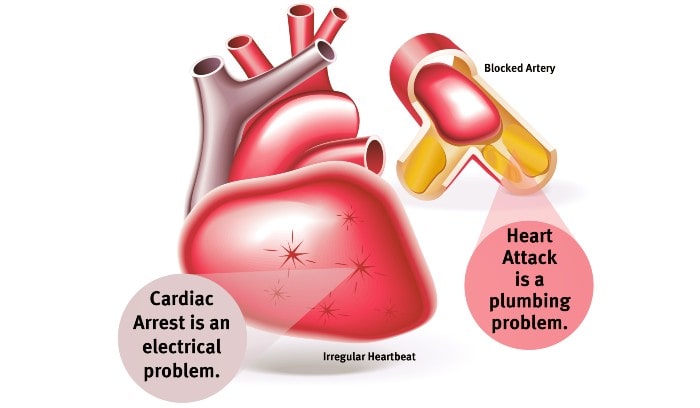
Cardiac Arrest – It is the sudden cessation of cardiac pumping activity. There is immediate loss of consciousness due to no blood flow i.e. oxygen supply to the brain and no lung function due to absent blood supply and respiratory signals from the brain.
Causes of Cardiac arrest
- ischemic coronary disease(70% cases)
- congestive heart failure
- congenital coronary artery abnormalities
- arrhythmogenic right ventricular dysplasia
- hypertrophic obstructive cardiomyopathy
- cardiac tamponade
- Nonstructural cardiac causes include Brugada syndrome, Wolf-Parkinson-White syndrome and congenital long QT syndrome.

Non cardiac causes
- intracranial hemorrhage
- pulmonary embolism
- pneumothorax
- primary respiratory arrest
- toxic ingestions including drug overdose, electrolyte abnormalities, severe infection (sepsis), hypothermia, or trauma.
What Can You Do to Help?
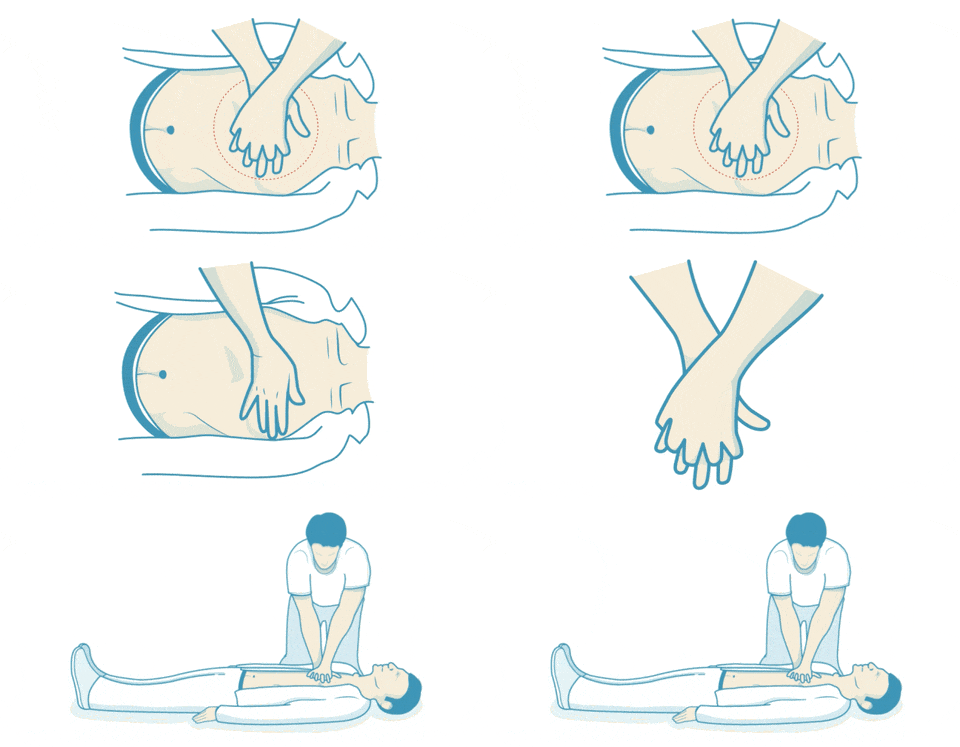
Cardiopulmonary Rescuscitation – basic life support and defibrillation. Basic Life Support
Current guidelines recommend 2 breaths for every 30 compressions. Providers can also manipulate the airway to aid in airway patency thus allowing for proper ventilation. These maneuvers include the head-tilt, chin-lift and the jaw thrust. Oral airway adjuncts including the oral pharyngeal airway (OPA) and the nasopharyngeal airway (NPA) should also be utilized to benefit ventilation.
Cardiac arrest patients are treated with ALS(advanced life support) in a teritiary medical center. These patients can also be placed on extracorporeal membrane oxygenation (ECMO). This allows for oxygenation of the victim's blood supply until the cardiac function is restored.
Heart Attack
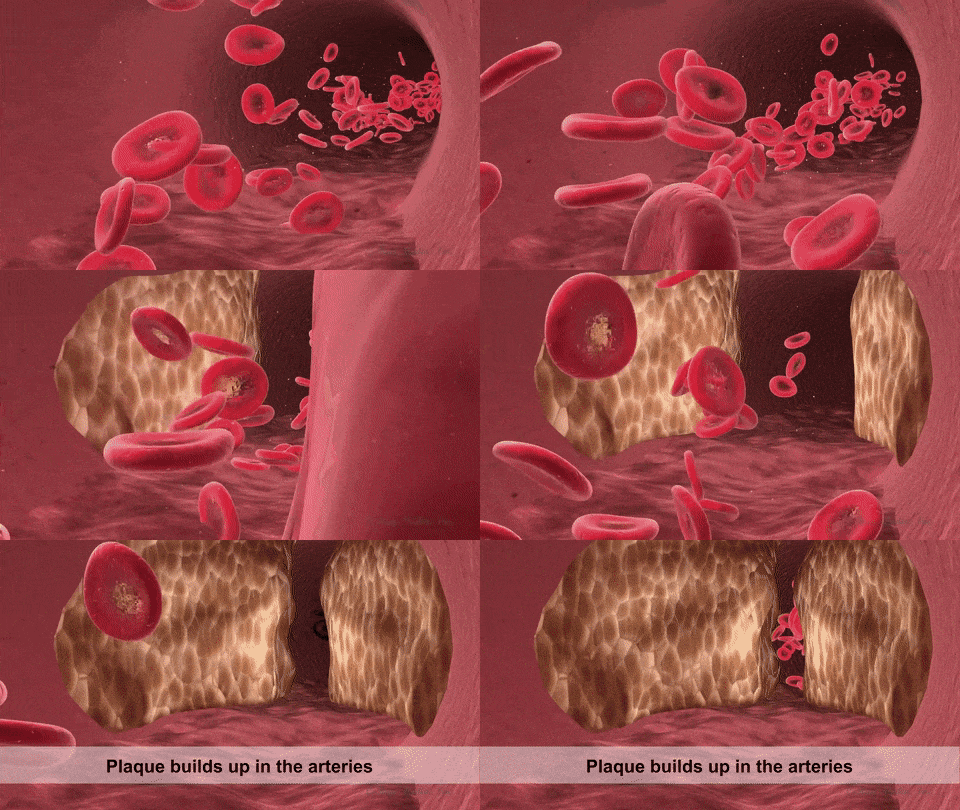
It is the obstruction of the blood vessel supplying blood to the muscles of the heart. It will not lead to cardiac arrest unless there is an abnormal rhythm like ventricular tachycardia, ventricular fibrillation or any mechanical rupture of the heart wall or valve inside due to death of the muscle. Treatment of heart attack would involve the opening up of the blocked vessel at the earliest